If you’ve ever wondered how to turn a simple packet of noodles into a restaurant‑worthy meal, you’re in the right place. This guide walks you through a flavor‑packed approach that feels indulgent yet is surprisingly easy to pull off on a weeknight.
Discover how to elevate your weeknight dinner with this upgraded ramen recipe, featuring a rich, savory base that turns ordinary noodles into a comforting bowl.
Table of Contents
The secret lies in a deeply flavored upgraded ramen broth, which simmers with aromatics, soy, and a touch of miso for umami depth.
Follow the steps below to create a steaming bowl that balances silky noodles, tender protein, and crisp vegetables, all brought together by a broth that sings with depth.
Ingredients
The foundation of this dish is a fragrant broth built from stock, soy, miso, and aromatics, while the noodles provide a chewy base. Feel free to swap the protein or vegetables to suit your taste.
- 200 g ramen noodles (fresh or dried)
- 4 cups water (for broth)
- 2 cups low‑sodium chicken or vegetable stock
- 2 tbsp soy sauce
- 1 tbsp miso paste (white or red)
- 1 tsp sesame oil
- 1 tsp grated ginger
- 2 cloves garlic, minced
- 1 tbsp rice vinegar
- 1 tsp sugar
- ½ tsp chili flakes (optional, for heat)
- 2 boiled eggs, halved
- 100 g sliced cooked chicken, pork, tofu, or shrimp
- 1 cup baby spinach or bok choy, roughly chopped
- ½ cup sliced mushrooms (shiitake or cremini)
- 2 green onions, sliced diagonally
- 1 sheet nori, torn into strips
- Sesame seeds for garnish
- Lime wedge (optional)
Preparation Time and Cooking Schedule

Prep time: 15 minutes
Cook time: 25 minutes
Total time: 40 minutes
Servings: 2 bowls
Difficulty: Easy
You can make the broth ahead of time and store it in the fridge for up to two days, then reheat and add fresh noodles just before serving.
Step-by-Step Instructions

- In a medium pot, combine the water, stock, soy sauce, miso paste, sesame oil, ginger, garlic, rice vinegar, sugar, and chili flakes if using. Bring to a gentle simmer over medium heat, stirring to dissolve the miso.
- Let the broth simmer for 10 minutes to develop flavor – this is where the upgraded ramen recipe begins to shine, as the aromatics meld into a rich base.
- While the broth simmers, prepare your toppings: slice the protein, blanch the spinach or bok choy, sauté the mushrooms with a splash of soy sauce, and slice the green onions.
- Add the noodles to the simmering broth and cook according to package directions – usually 3‑4 minutes for fresh noodles or 4‑5 minutes for dried, until just tender.
- Once the noodles are ready, ladle the hot upgraded ramen broth and noodles into bowls.
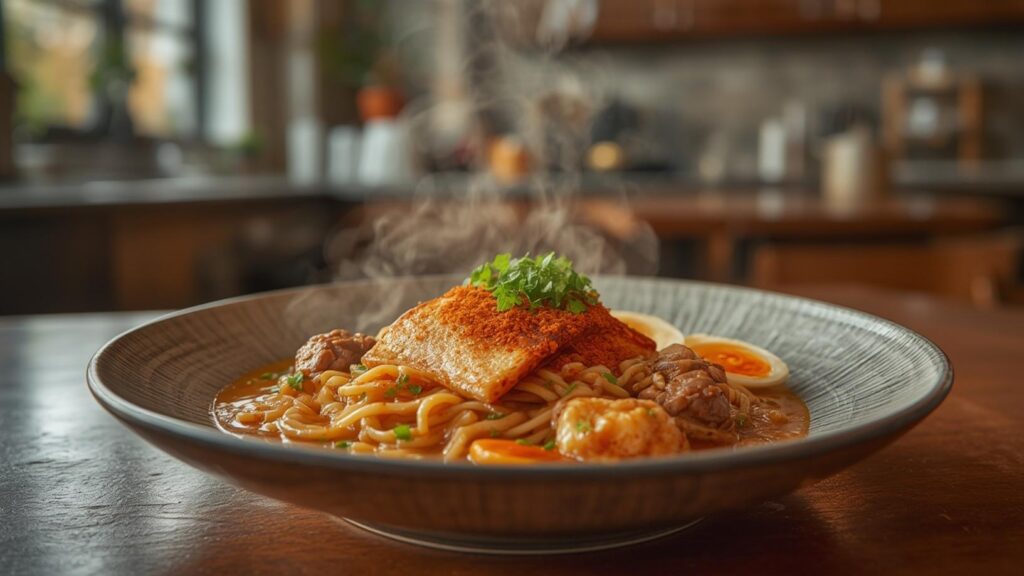
- Top each bowl with the boiled egg halves, prepared protein, greens, mushrooms, green onions, nori strips, and a sprinkle of sesame seeds.
- Serve immediately with a lime wedge on the side, if desired, and enjoy the comforting steam rising from your homemade bowl.
Why You’ll Love This Recipe
This upgraded ramen brings restaurant depth to your kitchen without requiring hard‑to‑find ingredients. The broth is layered with umami from miso and soy, while the noodles stay springy and satisfying.
It’s versatile – swap the protein for tofu, chicken, or shrimp, and adjust the heat with chili flakes or sriracha. The dish comes together in under an hour, making it perfect for a cozy weeknight dinner or a casual weekend lunch.
Plus, the aromatics ginger and garlic fill your kitchen with a welcoming scent, and the final bowl feels both nourishing and indulgent.
Tips, Variations, and Substitutions
- For a vegetarian version, use vegetable stock and omit the egg or replace it with a marinated tofu slice.
- Swap ramen noodles for soba, udon, or even whole‑wheat spaghetti if you prefer.
- Add a tablespoon of peanut butter or tahini to the broth for a creamy twist.
- If you like it spicier, increase the chili flakes or drizzle with sriracha before serving.
- For a low‑sodium option, choose reduced‑sodium stock and limit the added soy sauce to half a tablespoon.
- Boost the veggie content by adding shredded carrots, corn kernels, or bean sprouts.
- Make the broth ahead: cool, store in an airtight container in the fridge for up to 48 hours, then reheat gently before adding fresh noodles.
Common Mistakes to Avoid

- Boiling the broth too vigorously can cause the miso to separate and lose its silky texture. Keep it at a gentle simmer.
- Overcooking the noodles makes them mushy; follow the package timing and test for a firm bite.
- Adding salt after the miso has been incorporated can make the dish overly salty; taste before adjusting.
- Skipping the aromatics (ginger, garlic) reduces the depth of flavor; sauté them briefly to release their oils.
- Using stale noodles or storing them in water for too long leads to a gummy texture; cook them fresh right before serving.
Serving Suggestions
Serve the ramen in deep bowls to keep the broth hot. Pair it with a simple cucumber salad dressed in rice vinegar and a sprinkle of sesame seeds.
For a complete meal, add a side of steamed edamame or a small portion of gyoza. A chilled glass of green tea or a light lager complements the rich flavors nicely.
Garnish each bowl with extra green onions, a drizzle of chili oil, and a few toasted sesame seeds for texture and visual appeal.
Storage and Reheating Tips
Separate the broth and noodles if you plan to store leftovers. Keep the broth in a sealed container in the refrigerator for up to three days; freeze for up to one month.
Store cooked noodles tossed with a tiny bit of oil in a separate container to prevent sticking; they stay fresh for two days.
To reheat, warm the broth over medium heat until just simmering, then add fresh noodles or re‑heat the stored noodles for 1‑2 minutes. Add toppings just before serving.
Avoid microwaving the noodles directly in the broth, as they can become overly soft; reheating on the stove preserves texture.
Conclusion
Making a upgraded ramen recipe at home is a rewarding way to enjoy a comforting, flavor‑packed bowl without the takeout price tag. The key lies in the upgraded ramen broth, which layers miso, soy, and aromatics into a base that feels both familiar and exciting.
Give this recipe a try, tweak the toppings to your liking, and share your results in the comments below. If you enjoyed this guide, explore more comforting noodle ideas on our site for your next cozy meal.
FAQs
Can I make the broth vegan?
Yes, use vegetable stock and a plant‑based miso, and skip the egg or replace it with marinated tofu.
What if I don’t have miso paste?
You can substitute with a teaspoon of soy sauce plus a pinch of mushroom powder for umami, though the flavor will be slightly different.
How do I keep the noodles from getting soggy?
Store the broth and noodles separately and combine them just before eating.
Is it okay to use instant ramen noodles?
Absolutely – just discard the flavor packet and use the noodles as a base, then add your own upgraded broth.
Can I freeze the assembled bowls?
It’s best to freeze the broth only; freeze it in portion‑sized containers and thaw before reheating, then cook fresh noodles.